
In the ever-evolving world of aviation, the need for efficient, durable, and adaptable hangar designs has never been more critical. As the aviation industry grows, so does the demand for facilities that can accommodate a wide range of aircraft while providing safety and operational efficiency. Lida Group, a leader in prefabricated construction, specializes in steel solutions that redefine hangar design. This article explores the features of efficient hangar designs, the advantages of using steel, and how Lida Group is meeting the needs of the aviation industry.
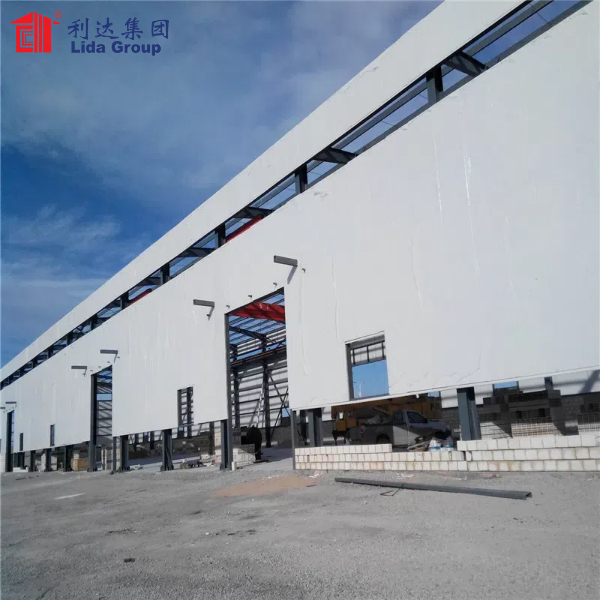
Understanding Hangar Design
What Is a Hangar?
A hangar is a large building where aircraft are stored, maintained, and repaired. Hangars can vary significantly in size and design, depending on their intended use, which may include:
- Storage of Aircraft: Protecting aircraft from weather elements and potential damage.
- Maintenance and Repair: Providing space for routine inspections and repairs.
- Operational Facilities: Serving as offices or operational bases for aviation companies.
Key Considerations in Hangar Design
When designing an efficient hangar, several critical factors must be considered:
- Size and Capacity: Hangars must accommodate various aircraft sizes, from smaller general aviation planes to large commercial jets.
- Access and Workflow: Efficient workflow and access routes are essential for maintenance operations and aircraft movement.
- Safety and Compliance: Hangars must adhere to strict safety regulations and building codes to ensure the safety of personnel and aircraft.
- Environmental Sustainability: Incorporating sustainable practices in construction and operation is increasingly important for modern hangar designs.
The Advantages of Steel in Hangar Construction
Strength and Durability
Steel is known for its exceptional strength and durability. This makes it an ideal material for hangar construction, as it can support large spans without the need for interior columns, allowing for unobstructed space.
- Load-Bearing Capacity: Steel structures can withstand heavy loads, making them suitable for accommodating various aircraft.
- Resistance to Elements: Steel is highly resistant to harsh weather conditions, including wind, rain, and snow, ensuring the safety of stored aircraft.
Cost-Effectiveness
Using steel in hangar construction offers significant cost advantages:
- Reduced Construction Time: Prefabricated steel components can be manufactured off-site and assembled quickly, leading to shorter project timelines.
- Lower Maintenance Costs: Steel structures require minimal maintenance compared to traditional materials, resulting in long-term savings for operators.
Design Flexibility
Steel allows for greater design flexibility, enabling architects and engineers to create innovative hangar solutions:
- Customizable Layouts: Steel structures can be easily tailored to meet specific operational needs, accommodating various aircraft types and sizes.
- Expandable Designs: As aviation demands grow, steel hangars can be expanded or modified with relative ease.
Lida Group’s Expertise in Hangar Design
Who Is Lida Group?
Lida Group is a prominent name in the prefabricated construction industry, specializing in designing and constructing steel structures, including hangars. With a strong commitment to quality, innovation, and customer satisfaction, Lida Group has established itself as a leader in providing efficient hangar solutions tailored to the aviation industry.
Key Features of Lida Group’s Hangar Designs
1. Modular Construction
Lida Group employs a modular construction approach to hangar design, which offers numerous advantages:
- Rapid Assembly: Modular components are prefabricated off-site, allowing for quick assembly on-site and minimizing disruption.
- Flexibility: Modular designs enable easy reconfiguration and expansion as operational needs change.
2. High-Quality Materials
Lida Group prioritizes the use of high-quality materials in its hangar designs:
- Grade-A Steel: The use of high-strength steel ensures that hangars can withstand demanding operational conditions.
- Corrosion-Resistant Coatings: Protective coatings enhance the longevity of steel components, preventing rust and deterioration.
3. Advanced Technology Integration
Lida Group incorporates advanced technology in its hangar designs to enhance operational efficiency:
- Building Information Modeling (BIM): BIM technology allows for precise design and planning, improving collaboration and reducing errors during construction.
- Smart Technologies: Integration of IoT devices for monitoring and management can optimize hangar operations and maintenance schedules.
Benefits of Lida Group’s Hangar Solutions
1. Increased Operational Efficiency
Lida Group’s hangar designs emphasize operational efficiency, ensuring that aircraft maintenance and storage processes are streamlined:
- Optimized Workflow: Thoughtful layout designs facilitate efficient movement of personnel and equipment, reducing downtime.
- Dedicated Work Areas: The incorporation of specialized zones for maintenance, storage, and administrative functions enhances overall productivity.
2. Enhanced Safety Features
Safety is a top priority in Lida Group’s hangar designs:
- Fire Safety Measures: Hangars are designed with fire-resistant materials and equipped with advanced fire suppression systems.
- Compliance with Regulations: Lida Group ensures that all hangars adhere to relevant safety regulations and industry standards.
3. Environmental Sustainability
Lida Group is committed to sustainable construction practices:
- Energy-Efficient Designs: Incorporating energy-efficient lighting and HVAC systems reduces overall energy consumption.
- Sustainable Materials: The use of recyclable materials in construction promotes environmental responsibility.
Case Studies: Lida Group’s Hangar Projects
Case Study 1: General Aviation Hangar
Challenge: A general aviation company needed a hangar to accommodate a fleet of small aircraft for storage and maintenance.
Solution: Lida Group designed and constructed a spacious steel structure hangar with multiple service bays and dedicated storage areas.
Outcome: The hangar improved efficiency in aircraft maintenance and provided a safe environment for the fleet, enhancing operational capabilities.
Case Study 2: Commercial Aircraft Hangar
Challenge: An airline required a new hangar to support maintenance operations for its growing fleet of commercial jets.
Solution: Lida Group developed a large steel hangar designed to accommodate multiple aircraft simultaneously, with specialized zones for maintenance and inspections.
Outcome: The hangar significantly increased the airline’s maintenance capacity, reducing turnaround times and improving fleet availability.
Case Study 3: Military Hangar
Challenge: A military base sought to construct a hangar that could withstand extreme weather conditions and accommodate specialized aircraft.
Solution: Lida Group designed a robust steel hangar with reinforced structures and advanced insulation to meet military standards.
Outcome: The hangar provided a secure and efficient facility for aircraft operations, ensuring readiness and safety in all conditions.
The Future of Hangar Design
Trends Shaping Hangar Construction
The future of hangar design will be influenced by several key trends:
1. Smart Hangars
The integration of smart technology in hangar design is becoming increasingly important:
- IoT Integration: The use of IoT devices for monitoring environmental conditions, inventory levels, and equipment performance will optimize operations.
- Data Analytics: Analyzing data collected from smart systems can enhance decision-making and improve maintenance schedules.
2. Sustainability Initiatives
Environmental sustainability will remain a priority in hangar design:
- Green Certifications: More hangars will seek certifications such as LEED to demonstrate their commitment to sustainability.
- Renewable Energy Solutions: Incorporating solar panels and other renewable energy sources into hangar designs will reduce energy costs and carbon footprints.
3. Customization and Modularity
The demand for customizable and modular designs will continue to grow:
- Flexible Space Solutions: Hangars will increasingly be designed to accommodate a variety of aircraft and operational needs.
- Rapid Deployment: Prefabricated solutions will allow for quick construction and minimal disruption, catering to the fast-paced demands of the aviation industry.
Lida Group’s Commitment to Innovation
Lida Group is dedicated to leading the charge in innovation within the hangar construction sector:
- Research and Development: Ongoing investment in R&D ensures that Lida Group remains at the forefront of technological advancements in construction.
- Collaboration with Clients: By working closely with clients, Lida Group can develop tailored solutions that meet specific operational requirements and market demands.
Conclusion
Efficient hangar designs are essential for meeting the evolving needs of the aviation industry. Lida Group’s expertise in steel solutions positions the company as a leader in the construction of functional and adaptable hangars. Through modular designs, high-quality materials, and advanced technology integration, Lida Group is helping aviation businesses optimize their operations and enhance safety.
As the demand for efficient hangars continues to grow, Lida Group is well-equipped to provide innovative solutions that meet the diverse needs of the aviation sector. The future of hangar construction is promising, and Lida Group is at the forefront of this transformation, enabling businesses to achieve their goals while prioritizing efficiency and sustainability.
In an era where adaptability and safety are paramount, Lida Group’s commitment to excellence ensures that steel hangars will play a crucial role in shaping the future of aviation infrastructure. Through strategic investments and a focus on customer satisfaction, Lida Group is not only enhancing operational capabilities for its clients but also contributing to the evolution of the aviation industry as a whole. The journey toward a more efficient and sustainable future in hangar design is just beginning, and Lida Group is leading the way.
Contact Us
Post time: May-02-2025